


Champa – The Art of Fish Sauce Fermentation
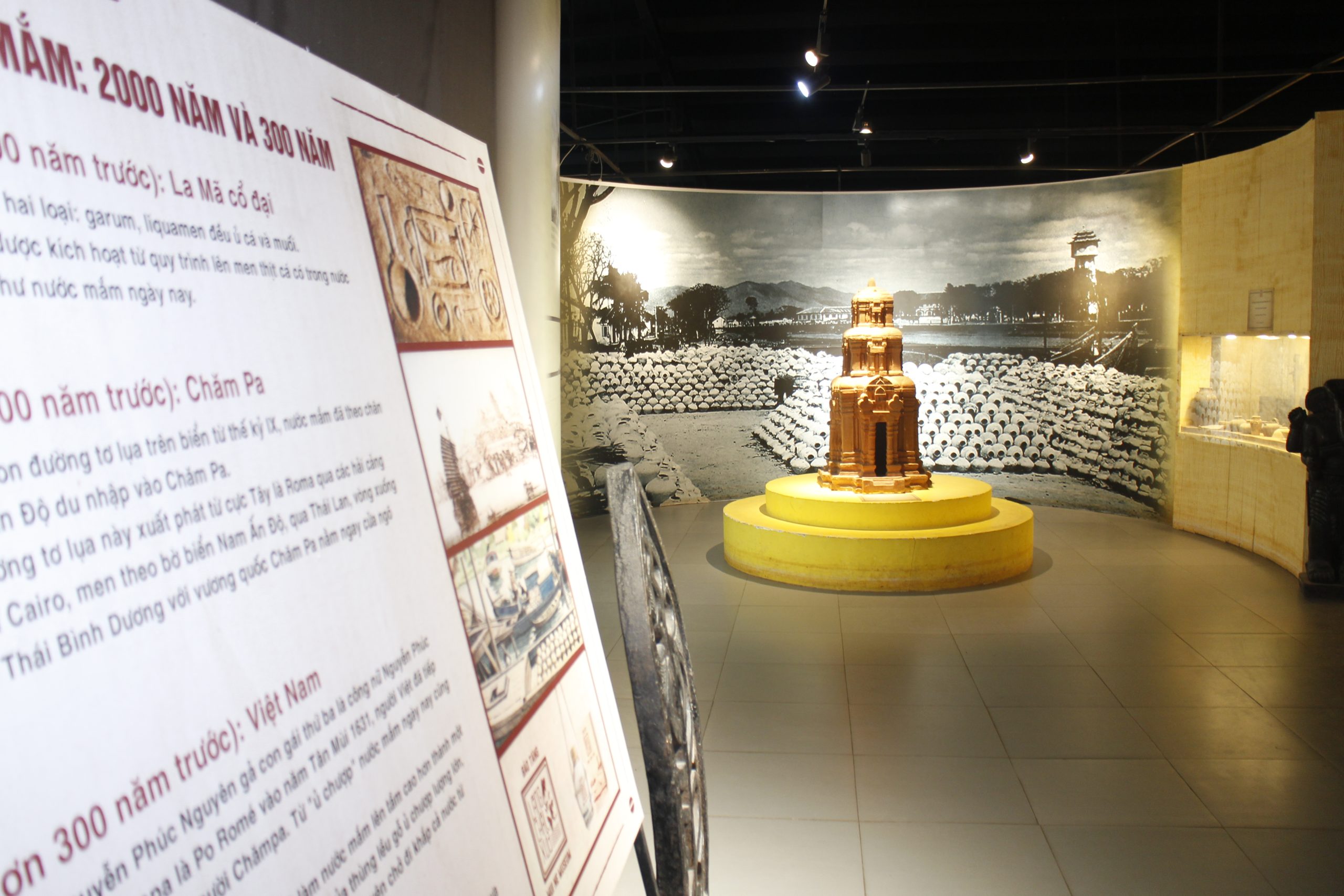
Before 1693 — more than 300 years ago — this land belonged to the Kingdom of Champa. The name Phan Thiết actually originated from the Cham word “Mang Thit”, which the Cham people used to refer to this region. The Cham culture was deeply influenced by Indian traders thousands of years ago — from economy and culture to religion.
Few people know that the Vietnamese term “ủ chượp” (meaning fermentation in fish sauce making) actually comes from the Cham language. The Cham people learned the techniques of pottery and fish preservation that were introduced from ancient Rome, passed through the Middle East and India before reaching Champa. This means that fish sauce has its origins dating back thousands of years, beginning with the ancient Romans.
When the Vietnamese (Kinh people) later migrated to this land, they continued and commercialized the tradition by putting the fermented fish sauce into ceramic jars called “tĩn”, naming it “nước mắm”, and transporting it by wooden boats to trade throughout Vietnam.
The Two Royal Decrees of the Fishing Village
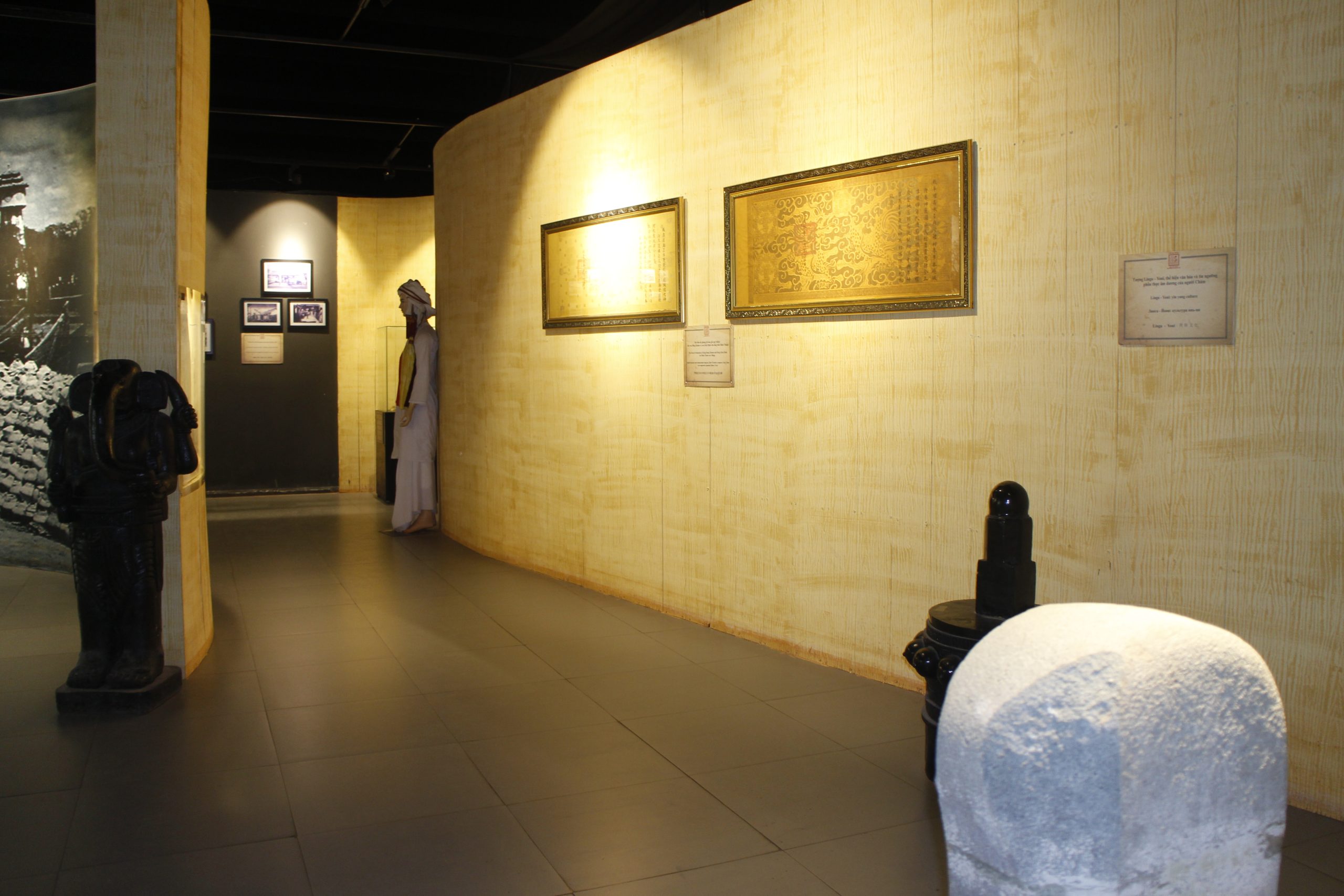
These are the most valuable artifacts of the Ancient Fishing Village Museum — two original royal decrees (sắc phong) bestowed by Emperor Đồng Khánh and Emperor Khải Định to the Phan Thiết fishing village. Both documents have been perfectly preserved and remain remarkably beautiful to this day.
The Statue of Shiva – The Fishing Village Legend
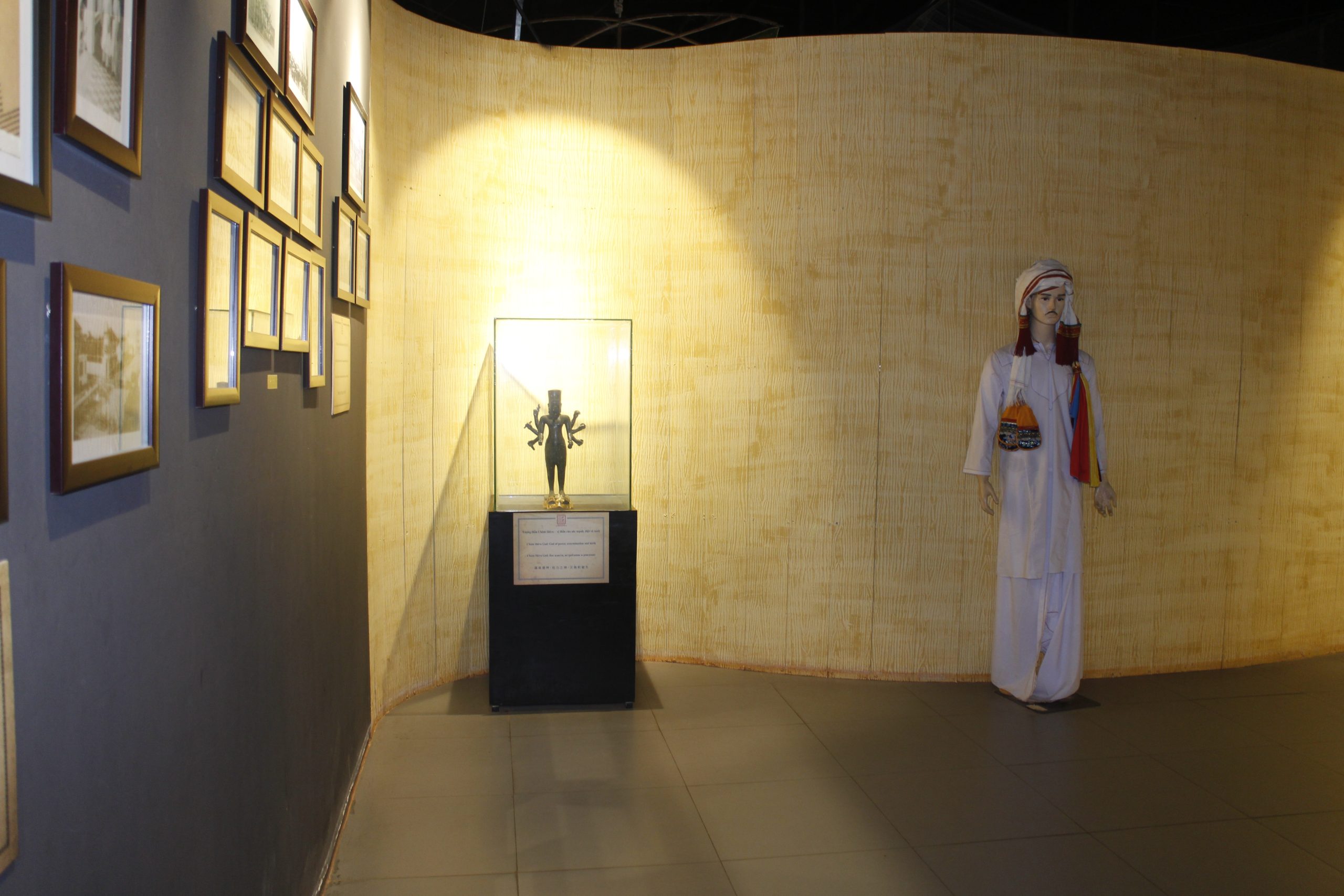
The multi-armed statue of the god Shiva represents the supreme deity in the belief system of the Champa people.
At night, if your family has the chance to watch the Fishermen Show at the nearby theater, you’ll witness the legend of Shiva and the Whale God (Cá Ông) brought to life on a spectacular four-level water stage.
In this fishing village, there are two ancient legends that coexist — the legend of Shiva, worshiped by the Champa people, and the legend of the Whale God, revered by the Kinh fishermen.
Chăm Pa – kỹ nghệ ủ chượp:
Vùng đất này trước năm 1693, cách đây 300 năm, thuộc vương quốc Chăm Pa… tên Phan Thiết xuất phát từ Mang Thit người Chăm gọi vùng đất này. Người Chăm ảnh hưởng lớn bởi những thương buôn Ấn Độ từ hàng ngàn năm trước từ kinh tế văn hóa đến tôn giáo.
Ít ai biết từ “ủ chượp” trong nước mắm là từ gốc tiếng Chăm, chính người Chăm học những kỹ nghệ làm gốm, ướp cá du nhập từ La Mã, qua Trung Đông đến Ấn Độ. Và nguồn gốc nước mắm đã có từ hàng ngàn năm trước từ người La Mã cổ đại.
Đến khi người Kinh di cư vào vùng đất này đã tiếp nối và thương mại hóa bằng cách cho mắm nước vào tĩn gốm, gọi bằng nước mắm và chở bằng ghe bầu đi bán khắp Việt Nam.
Hai tấm Sắc Phong làng chài
Đây là hiện vật quý giá nhất của bảo tàng Làng Chài Xưa, là 2 bản gốc sắc phong của vua Đồng Khánh và Khải Định cho làng chài Phan Thiết nơi đây, còn rất nguyên vẹn và rất đẹp.
Tượng thần Shiva – huyền thoại làng chài
Tượng thần Shiva nhiều tay, là thần tối cao trong tín ngưỡng dân tộc Chăm, vào ban đêm, nếu gia đình mình có dịp xem Fishermen Show ở nhà hát kế bên sẽ được xem huyền thoại về thần Shiva và cá Ông trên sân khấu nước 4 tầng. Tại làng chài nơi đây có 2 huyền thoại là Thần Shiva là của dân tộc Chăm và cá Ông của dân chài người Kinh.

